Free gives you the vibe. Mozaika gives you the spec.
Same prompt. Same agent. One task, run on two products: build their real pricing section. The only thing that changes is what the agent gets to read before it writes a single line. Here is what comes out. Backed by 486 real products, 3,765 decoded sections, 550 design systems.
One prompt, one take each, the agent offline every time — no browsing,
no picture of the target. The only thing that changes is the file it is allowed
to read. Starting with a product it has not memorised.
canvas — the background colour the build produced, and how far
that is from the real section's. 0 means identical. accent — how much of the page is the product's own accent colour, as a share
of pixels, with the real section's share beside it.
(empty room)
nothing to read
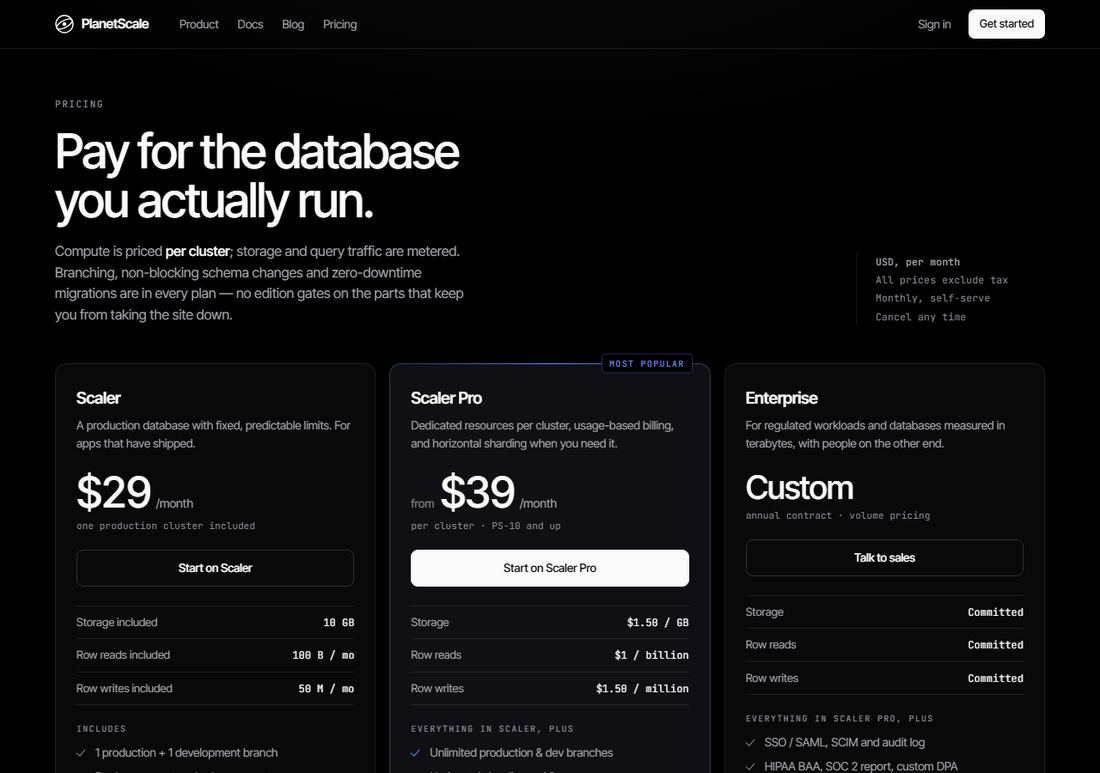
It did not get a shade wrong. It built a dark page, with three
plan cards and invented prices, for a section that is light and is not a card grid
at all. PlanetScale's accent never appears.
canvas
#000000 off by 750
scheme
dark · the real one is light
accent
0.00% · real 0.21%
kit.json
Mozaika, this section decoded
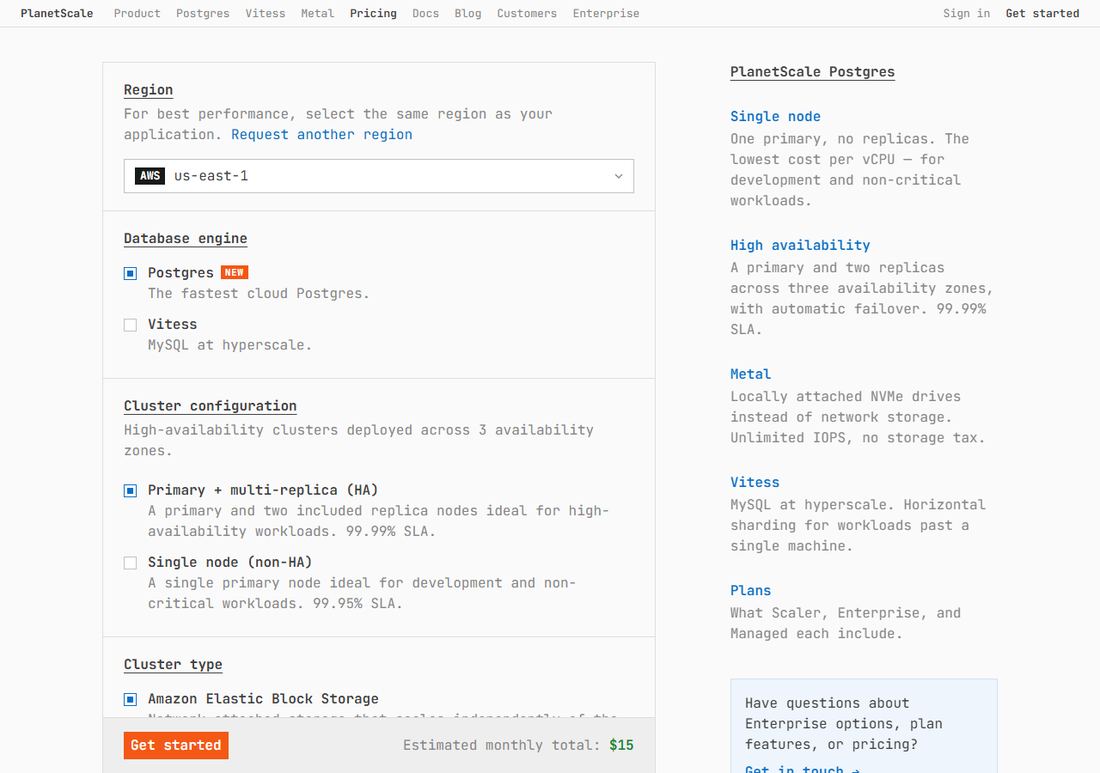
Light, exact, and built as what it actually is: a configurator —
region picker, database engine, cluster type, storage sliders, and the running
monthly total pinned at the bottom.
canvas
#FAFAFA exact
scheme
light · matches
accent
0.28% · real 0.21%
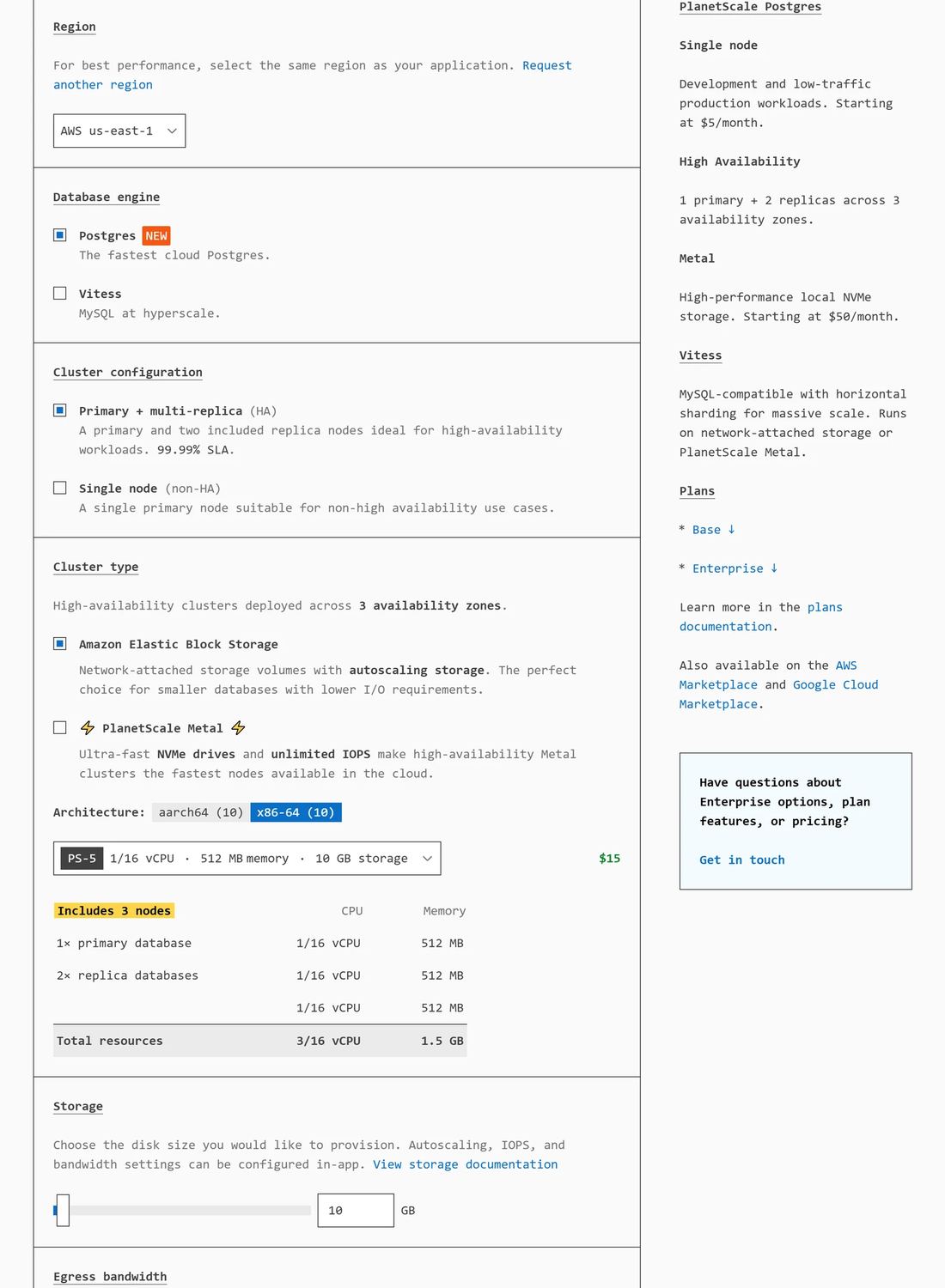
planetscale.com/pricing
as shipped
The section itself, cropped to its first screens.
canvas
#FAFAFA
accent
0.21% of pixels
PlanetScale is not a famous page, which is the ordinary case: 514 of the 550 products we have decoded have no free file either. Here is the same prompt on one the agent does know well — where the brand file exists and the gap gets narrow, but does not close.
(empty room)
nothing to read
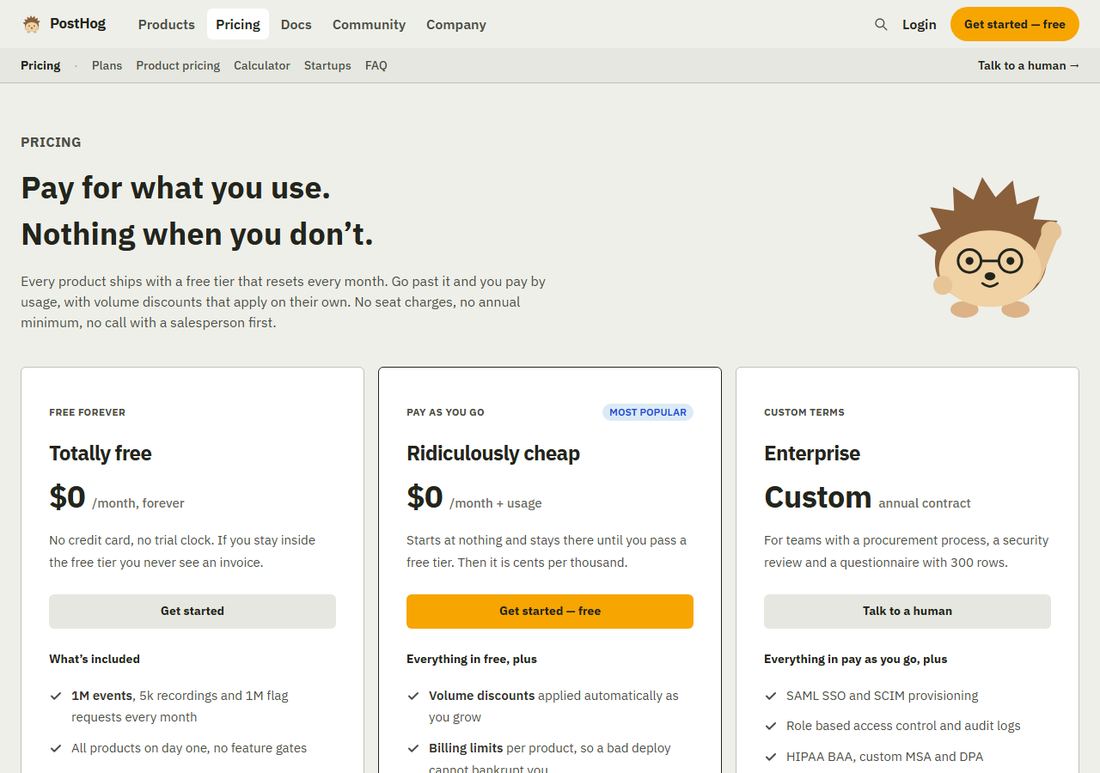
It knows PostHog. Unprompted it reached for the off-white canvas,
the orange button, even a hand-drawn arrow over the headline. The one thing it
never produced, anywhere on the page, is the colour PostHog actually uses here.
canvas
#EEEFE9 off by 76
accent
0.00% · real 0.35%
DESIGN.md
free, community-maintained
A good file — 690 lines, the real amber, the hedgehog drawn from
its description. It also states the canvas is #eeefe9, which is
exactly what the agent believed without it. On the axis we can measure, the brand
file changed nothing.
canvas
#EEEFE9 off by 76
accent
0.09% · real 0.35%
kit.json
Mozaika, this section decoded
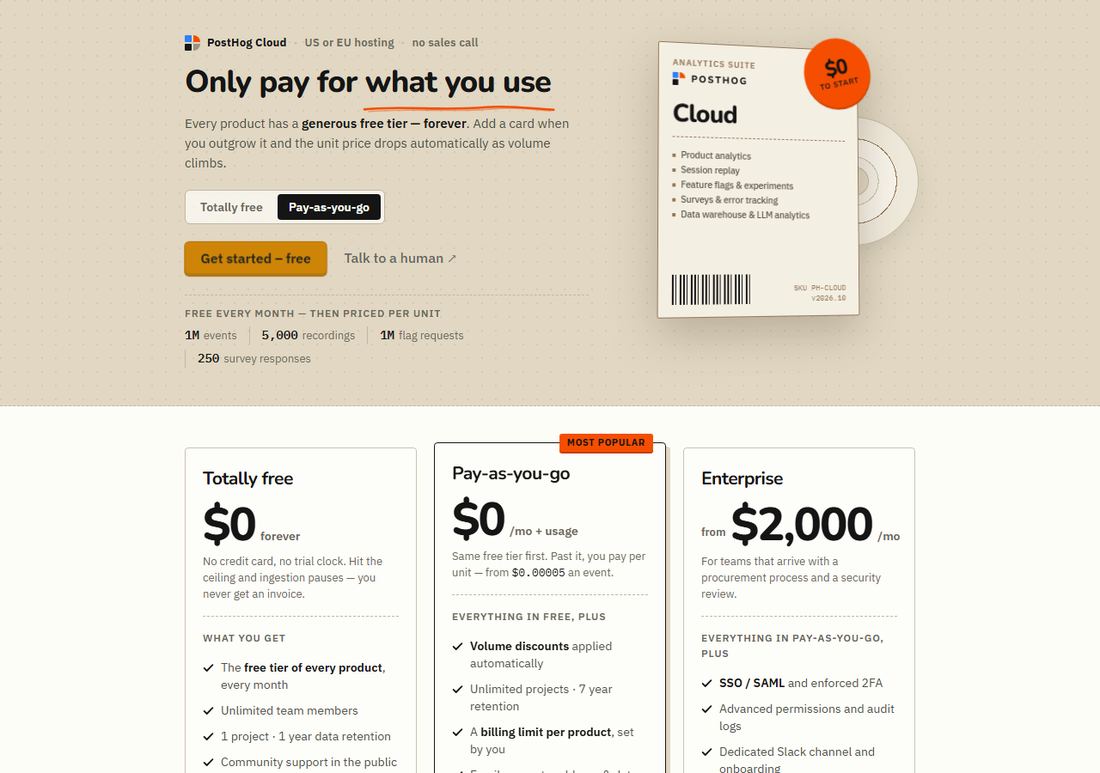
The canvas is exact. And the things only a section spec knows came
with it: the retro product box, the Free / Pay-as-you-go selector, the row of
per-unit free-tier limits. It overshoots the amber — it uses more of it than
PostHog does.
canvas
#E1D7C2 exact
accent
0.49% · real 0.35%
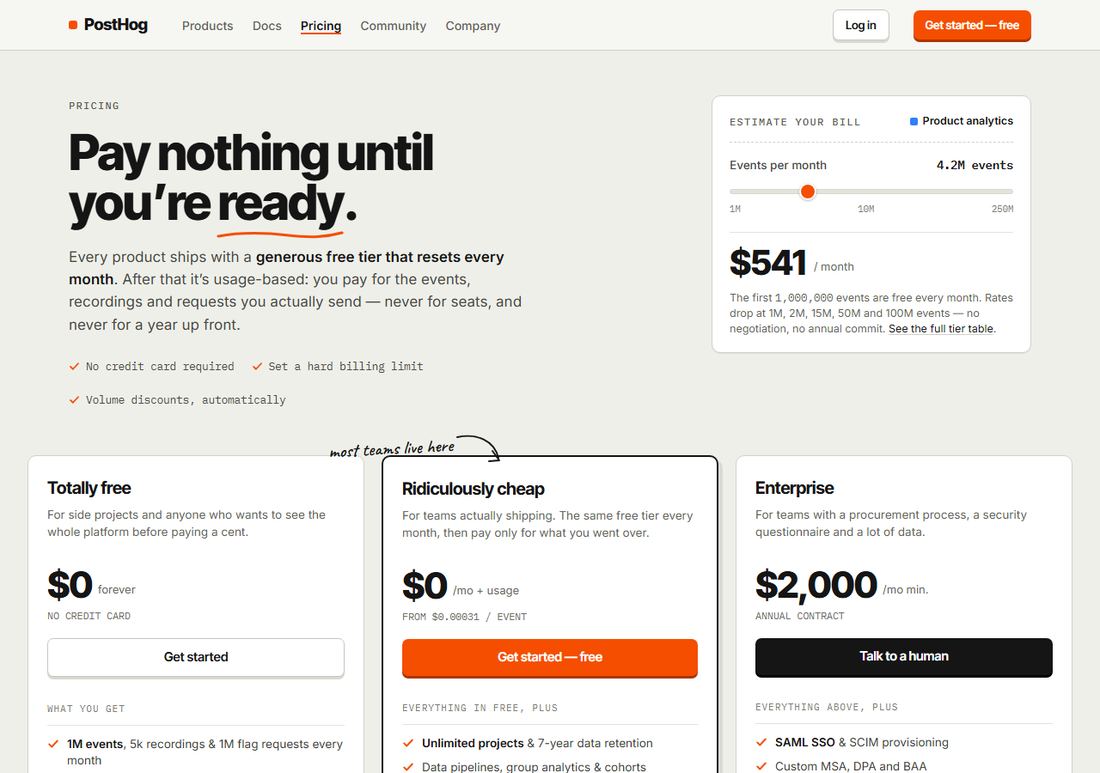
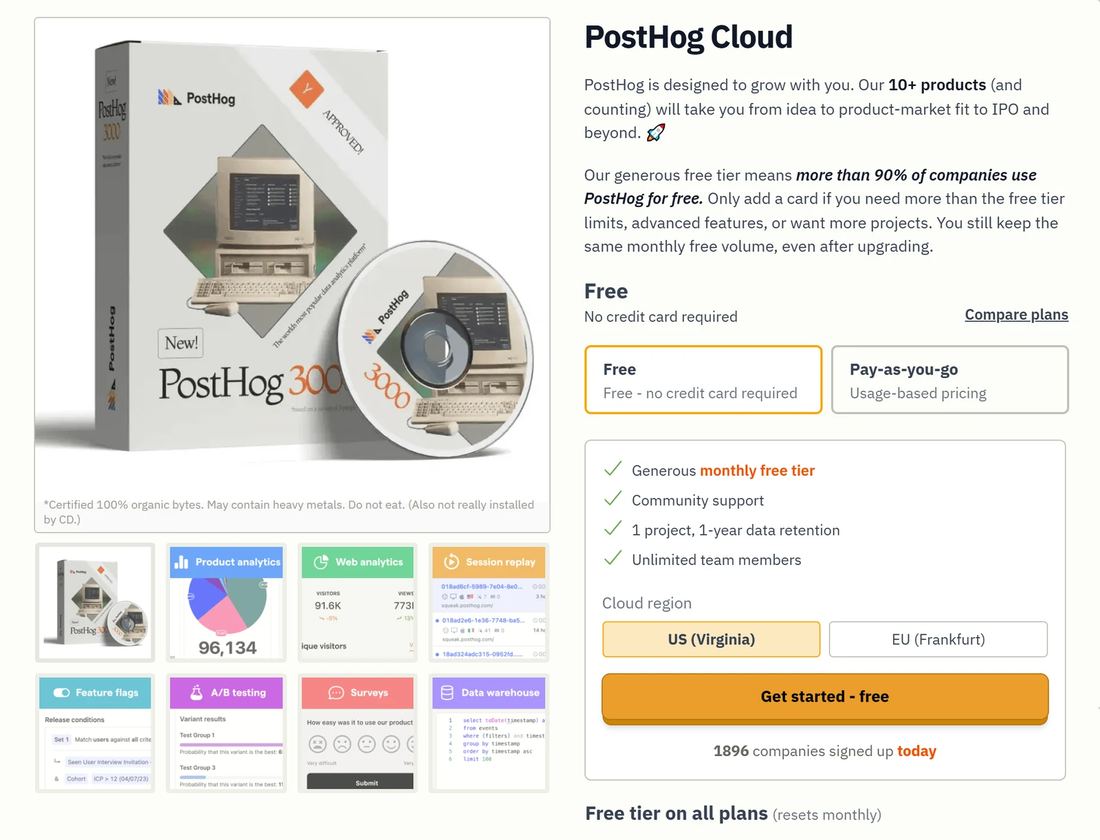
posthog.com/pricing
as shipped
The section itself. Every number above is distance to this, measured
with the same instrument that measures the gallery.
canvas
#E1D7C2
accent
0.35% of pixels
Five more, by a rule written before the run
Two brands I chose is an objection, not evidence. So the rule was
fixed first: every product in our gallery that has a pricing section and no
free DESIGN.md — the situation 514 of our 550 products are in — and every
result published, including the one we lose.
product
the real canvas
with nothing
with the spec
PostHog
#E1D7C2
#EEEFE9 — off by 76
exact
PlanetScale
#FAFAFA
#000000 — off by 750
exact
Clerk
#F7F7F8
#FCFCFD — off by 15
exact
Coda
#FFFFFF
#FFFCF6 — off by 12
exact
Attio
#FFFFFF
exact
exact
Gamma
#FFFFFF
exact
exact
Railway
#13111C
#09090B — off by 35
#201E28 — off by 38
Six of seven exact with the spec; two of seven without it, and both
of those are plain white, where the agent's default was already right. Narrow it
to the four products whose canvas is not plain white and it is three of
four with the spec, none without.
Railway is a loss and it stays in the table. On canvas the
spec landed three units further away than the unaided run. The same run measured
the accent at 1.69% against the real 1.85%, with the unaided run at 0.21%, and by
eye the spec rebuilt the actual structure — the $0 usage-credit card, Hobby $5 /
Pro $20 / Enterprise Custom, the purple deploy button — while the unaided run
invented a "Trial" tier. One axis lost, two won. We would rather you saw all
three than a number we picked.
How this was run, including what it cannot tell you.
Same prompt, same model, same flags, first take kept, each agent alone in a directory
with the file named above and nothing else; none of them could browse or see the
target. Canvas is the measured background; accent is the share of pixels within
tolerance of the product's own accent, run the same way on the real section, which is
why its figure sits beside each one. Typography, layout likeness and motion are
not measured here — your eye is the instrument for those. And the distances are
distances to our own measurement of the product, so the neutral object in this
comparison is the screenshot at the end of each run, not our numbers.
Honest part, because you would sniff out anything else: the free files are genuinely good and I use them too. The gap isn't free versus paid. It's a flat brand blurb versus the exact section your agent is building, decoded into tokens and queryable on demand. That last 20% is the difference between "looks AI-made" and "looks like your team shipped it."